What Usually Breaks First in Singapore Homes
And How to Make Them Last Longer
Family homes do not fall apart all at once.
They wear down quietly, often while everyone is busy living their lives. Between school schedules, work, meals, and caregiving, small issues are easy to miss until they suddenly become urgent.
Understanding what tends to break first and how to slow that wear helps you avoid unnecessary stress, expenses, and last minute emergencies.
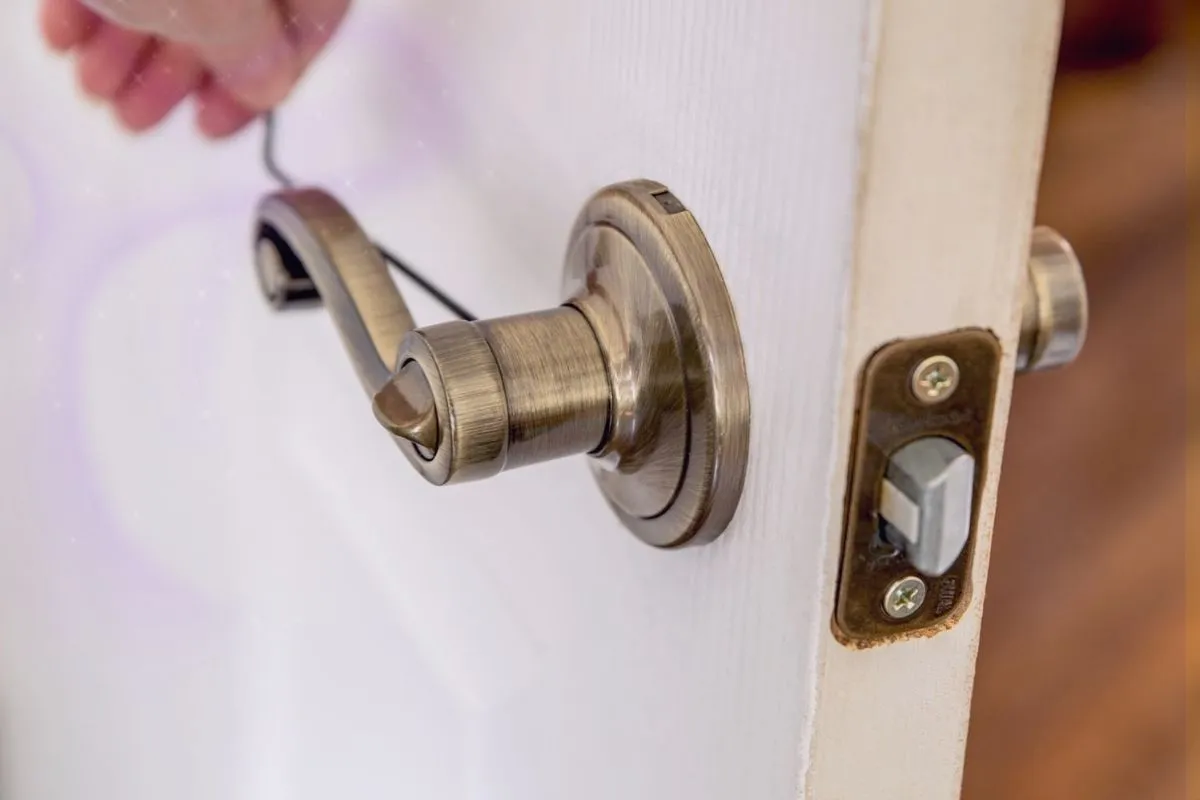
1. Door Handles, Hinges, and Locks
Why this breaks first
Doors are opened and closed countless times every day. They are pushed with elbows, pulled with full hands, and used in a rush. Over time, the constant force loosens internal parts.
Early warning signs
Handles feel loose. Hinges squeak. Locks start to stick or require extra force.
How to make it last longer
Tighten screws as soon as you feel movement instead of waiting for the handle to wobble badly. Apply lubricant to hinges and locks every few months to reduce friction. Teach children to close doors gently where possible. Avoid hanging heavy items on door handles.
When to get help
If the door no longer aligns or the lock keeps failing, fixing it early prevents damage to the door frame and surrounding structure.
Conclusion
Small adjustments and basic maintenance significantly extend the life of doors and hardware.
2. Bathroom Fixtures and Seals
Why this breaks first
Bathrooms face constant moisture, heat, and daily use. In Singapore’s humid climate, seals degrade faster and minor leaks escalate quickly.
Early warning signs
Dripping taps. Water collecting around fixtures. Mould forming along silicone lines. Persistent damp smells.
How to make it last longer
Dry wet areas after use and ensure proper ventilation. Replace silicone seals once mould appears instead of repeatedly cleaning them. Fix minor leaks immediately to prevent internal damage.
When to get help
If leaks persist or water pressure fluctuates suddenly, professional repair prevents hidden water damage that is costly to fix.
Conclusion
Bathrooms last longer when moisture is managed early and consistently.
3. Power Sockets and Light Switches
Family homes rely heavily on electricity. Multiple devices, chargers, and appliances strain sockets and switches over time.
Early warning signs
Loose plugs. Warm switches. Flickering lights. Circuit breakers tripping more often.
How to make it last longer
Avoid overloading sockets and extension cords. Unplug devices when not in use. Replace loose or damaged switches early instead of forcing them to work.
When to get help
Any sign of heat, sparks, or burning smells requires immediate attention from a licensed electrician.
Conclusion
Electrical safety and longevity depend on early attention and responsible usage.
4. Daily Use Appliances
Why this breaks first
Appliances like washing machines, refrigerators, air conditioners, and water heaters operate almost nonstop in family homes.
Early warning signs
Unusual noises. Longer running times. Reduced efficiency. Higher utility bills.
How to make it last longer
Clean filters regularly. Do not overload machines. Follow recommended aircon servicing intervals. Allow appliances proper ventilation space.
When to get help
Professional servicing at the first sign of trouble prevents breakdowns and prolongs appliance lifespan.
Conclusion
Routine care extends appliance life far more effectively than reactive repairs.
5. Furniture Stress Points
Why this breaks first
Furniture absorbs daily wear. Chairs carry shifting weight. Sofas support jumping kids. Drawers are opened repeatedly.
Early warning signs
Creaking sounds. Wobbly legs. Stiff drawers. Small tears in fabric.
How to make it last longer
Tighten screws periodically. Avoid standing or climbing on furniture not designed for it. Repair small damage early to prevent it from spreading.
When to get help
Reinforcement or minor repairs often restore furniture safety without replacement.
Conclusion
Furniture lasts longer when stress is distributed and maintenance is done early.
6. Cabinets, Storage Doors, and Drawer Tracks
Why this breaks first
Cabinets and drawers are opened countless times and often overloaded, especially in kitchens.
Early warning signs
Misaligned doors. Drawers sticking or falling off track. Hinges under strain.
How to make it last longer
Avoid overfilling cabinets. Clean tracks regularly. Adjust hinges as soon as alignment shifts.
When to get help
Early adjustment or repair prevents permanent damage that leads to full replacement.
Conclusion
Storage systems last longer when load and movement are managed properly.
Final Thoughts
Things in family homes rarely break because of neglect. They break because homes are busy, lived in spaces.
Noticing early signs and making small adjustments can significantly extend the life of your home and reduce unnecessary stress.
You do not need to fix everything today.
Notice one thing. Take one small action.
That is often enough to keep your home running smoothly.
🤔 Fix it yourself or call a pro? Read DIY vs hiring help: what people don't talk about in family homes.
🏠 Outsourcing the upkeep? Here are the top 10 services every busy Singapore household should know.